
Discover how a tailored mobility training program PDF empowers you to enhance joint flexibility, reduce injury risk, and boost performance. This guide offers clear, step‑by‑step routines, expert tips, and printable resources for beginners and seasoned athletes alike. Useit for measurable gains and joint health.
Benefits of Mobility Training
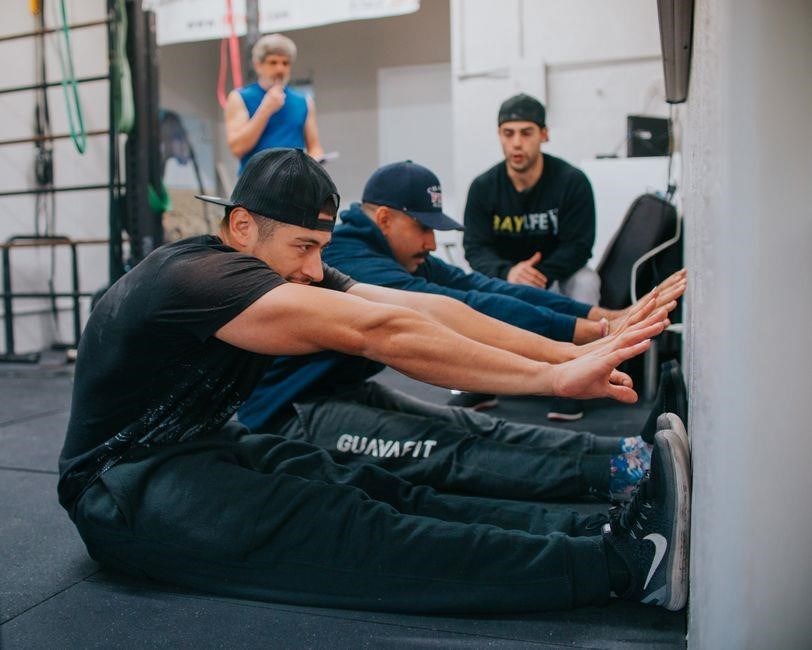
Mobility training offers a wide array of advantages that extend beyond simple flexibility. By systematically improving joint range, you reduce the likelihood of strains, sprains, and chronic pain, while simultaneously enhancing athletic performance. A well‑structured program increases blood flow, accelerates nutrient delivery to tissues, and promotes faster recovery after intense workouts. It also improves posture, allowing the spine, hips, and shoulders to maintain optimal alignment, which in turn lessens compensatory movements that can lead to injury. Regular mobility work can elevate proprioception, sharpening body awareness and reaction times during dynamic activities. For those who spend long hours seated, a mobility routine helps counteract the stiffness of the lumbar and thoracic spine, fostering better breathing mechanics and overall comfort. Additionally, incorporating mobility drills into daily habits supports joint lubrication and cartilage health, potentially delaying degenerative changes. Finally, the confidence gained from feeling more agile and less restricted translates into greater motivation for consistent training and a more positive mindset toward physical challenges.
- Improved joint stability reduces injury risk in high-impact sports.
- Circulation accelerates muscle recovery and reduces soreness.
- Greater range of motion supports better strength performance.
- Regular practice promotes healthy cartilage and joint lubrication.
- Increased body awareness leads to more efficient movement patterns.

Target Audience
Whether you’re a seasoned athlete, a desk‑bound professional, a recovering injury patient, or a senior looking to maintain independence, a mobility training program PDF can be tailored to your needs. The guide is designed for anyone who wants to increase joint range, reduce stiffness, and improve overall movement quality. It is ideal for:
- Competitive sportspeople seeking a competitive edge through enhanced flexibility and injury prevention.
- Recreational exercisers who want to perform daily tasks with less discomfort.
- Office workers who spend long hours sitting and experience tight hips, shoulders, and lower back.
- Older adults aiming to preserve functional mobility and reduce fall risk.
- Physical therapy patients needing structured, progressive mobility work to complement rehabilitation protocols.
- Fitness enthusiasts looking to add a systematic approach to their warm‑ups and cool‑downs.
Each section of the PDF is presented in an accessible format, with clear instructions, illustrative diagrams, and printable checklists, making it easy to integrate into any schedule or training plan.
By following the PDF’s step‑by‑step progression, you can track improvements, adjust intensity, and stay motivated. The resource also includes printable charts for range of motion, pain scales, and weekly goal setting to keep you accountable.
Whether you’re training for a marathon, a yoga retreat, or simply to feel more agile, this PDF offers a structured path that adapts to your lifestyle. Download it today and start moving with confidence.
Remember, consistency is key. Set aside 10‑15 minutes daily and let the PDF guide you to fit into routine.
Consistency!!
Core Components of a Mobility Program
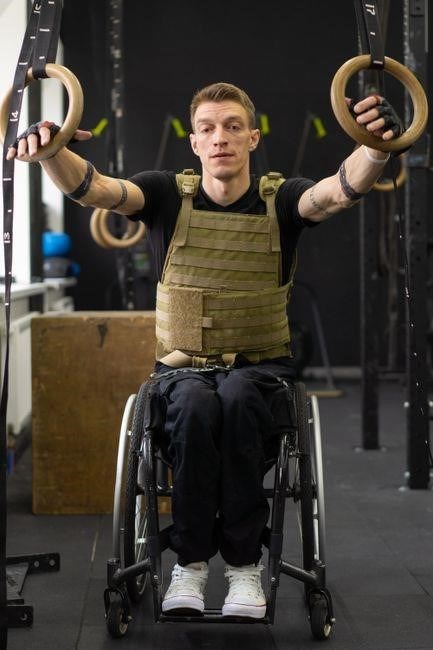
Key elements include a structured warm‑up, dynamic and static stretches, targeted mobility drills, and a cool‑down routine. Each component builds on the previous, ensuring joint health, improved range, and injury prevention. Followtheguideforstep‑by‑stepguidance.
Warm-up Exercises
Before diving into the main mobility routine, a purposeful warm‑up primes the nervous system, increases blood flow, and elevates core temperature. A 5‑ to 10‑minute sequence of low‑intensity movements activates major muscle groups while gently mobilizing joints. Begin with a brisk walk or light jog, maintaining a steady rhythm that encourages rhythmic breathing. Follow this with arm circles—small to large—executed in both directions to loosen the shoulders and upper back. Next, perform hip circles, rotating the hips in a controlled manner to engage the glutes, hip flexors, and lumbar spine. Incorporate gentle leg swings, forward and sideways, to stimulate the hamstrings, quadriceps, and hip abductors. Finally, add a few dynamic stretches such as walking lunges with a torso twist, inchworms, and high‑knee marches. These movements collectively prepare the body for deeper mobility work, reduce the risk of strain, and enhance overall performance. Consistency in the warm‑up routine establishes a solid foundation for every session, ensuring that the PDF’s prescribed drills are executed safely and effectively.
For athletes seeking sport‑specific readiness, integrate functional warm‑up drills that mirror on‑field demands. A series of bear crawls, crab walks, and lateral shuffles activates the core, gluteus medius, and hip stabilizers, while promoting proprioceptive awareness. Add a set of controlled jumping jacks or low‑impact plyometric hops to elevate heart rate without compromising joint integrity. Conclude the warm‑up with a brief mobility circuit: ankle circles, thoracic rotations, and shoulder dislocations using a resistance band. This layered approach ensures that every joint and muscle group is primed, allowing the subsequent static and dynamic stretches in the PDF to be performed with optimal range and technique Remember to adjust intensity based on individual flexibility and fatigue levels
Dynamic Stretching Techniques
Dynamic stretching activates muscles and joints through controlled, rhythmic movements that mirror sport‑specific actions. It raises core temperature, increases blood flow, and primes the nervous system for high‑intensity work. A typical sequence begins with leg swings—forward, side, and diagonal—to mobilize hips and hamstrings.
Next, perform walking lunges with a torso twist, engaging the thoracic spine and hip flexors. Follow with high‑knee marches or butt kicks.
Upper‑body mobility is addressed with arm circles, shoulder dislocations using a resistance band, and dynamic chest openers.
Incorporate functional drills such as lateral shuffles, carioca steps, and lateral hops to improve hip external rotation, ankle dorsiflexion, and proprioception.
Finish with controlled jumping jacks or low‑impact hops, ensuring the heart rate stays elevated without compromising joint integrity.!!!
Stretches should be performed. Exhale as you extend, inhale on the return. Each movement feels stable and pain‑free.!
Integrating dynamic stretching into a weekly routine offers cumulative benefits. Start each session with a 5‑minute light cardio warm‑up, then progress through the dynamic sequence. Aim to perform the routine 3–4 times per week, allowing 48 hrs of rest between sessions for full recovery. Over time, you’ll notice improved joint health, better balance, and a smoother transition into static stretches and strength exercises
Static Stretching Practices
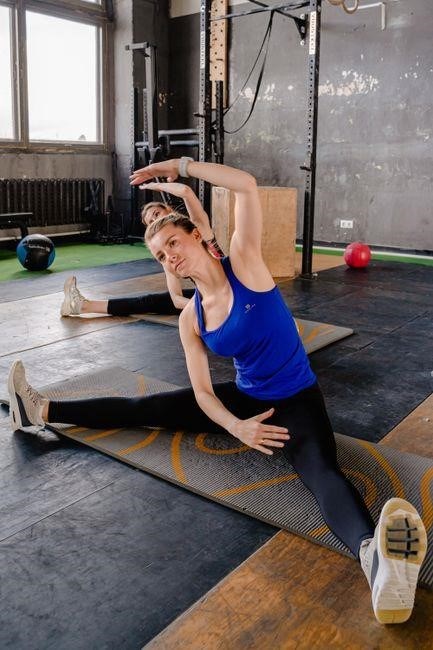
After dynamic warm‑up, static stretches target muscle length and flexibility. Hold each pose for 30–60 seconds, breathing deeply, and repeat 2–3 times per muscle group. Begin with hamstring stretch: sit, extend one leg, reach toward toes, keeping back neutral. Transition to quadriceps: stand, pull ankle toward glute, maintain hip alignment. For hip flexors, perform a low lunge, gently pressing hips forward while keeping torso upright. Shoulder flexibility improves with cross‑body arm stretch, pulling the arm across the chest and holding with the opposite hand. Triceps and upper back benefit from overhead triceps stretch, bending elbow and using the opposite hand to deepen the reach. Calf flexibility is enhanced by a wall calf stretch: step one foot back, press heel down, and lean forward. Incorporate a seated spinal twist, rotating the torso toward the bent knee while keeping hips square. Finish with a gentle neck stretch: tilt head toward shoulder, hold, and switch sides. Use a foam roller or massage ball for myofascial release before static holds. Avoid bouncing or forcing the stretch; listen to muscle tension, not pain. Consistency over weeks leads to increased range of motion, reduced stiffness, and better joint health. Apply these static stretches after workouts or as a dedicated cool‑down routine, ensuring each muscle group receives balanced attention. Remember to breathe steadily, exhaling as you stretch and inhaling as you release tension. Incorporate a brief 1‑minute meditation after the routine to consolidate gains and promote mental focus. Consistent practice over weeks will translate into smoother movements, less soreness, and a heightened sense of body awareness. Stay hydrated and rest daily to support recovery
Mobility Drills and Patterns
Incorporating functional mobility drills into a PDF program enhances joint coordination and prepares the body for daily tasks. Begin with the deep squat pattern: feet shoulder-width apart, descend until thighs parallel, keeping knees tracking over toes. Follow with the hip-circles drill: hands on hips, rotate hips clockwise and counterclockwise, 10 reps each direction. Add the thoracic spine rotation: kneel on all fours, place one hand behind head, rotate torso toward that hand, return to center, 8 reps per side. Next, perform the ankle dorsiflexion drill: seated, extend one leg, pull heel toward shin, hold 5 seconds, repeat 10 times. For shoulder mobility, execute the wall angels: stand with back against wall, arms at 90°, slide arms upward, keeping elbows and wrists in contact, 12 reps. Incorporate the lunge with a twist: step forward, lower hips, rotate torso toward front leg, return, 8 reps each side. Finish with the cat-cow stretch: alternate arching and rounding spine, 15 cycles. Each drill should be performed with controlled breathing, focusing on smooth transitions. Integrate these patterns into daily routines, gradually increasing reps as flexibility improves. Visual cues in the PDF guide ensure proper form, reducing injury risk and maximizing joint health. This PDF also offers progressive overload guidelines, joint stability exercises, and neuromuscular activation drills to complement the mobility work, ensuring a holistic approach to movement health and performance. Practice builds joint resilience daily.!!
Cool Down and Recovery
After completing a mobility routine, a structured cool‑down is essential to lock in gains, lower heart rate, and promote tissue repair. Begin with gentle walking or marching in place for 2–3 minutes, allowing circulation to return to baseline. Follow with a series of static stretches targeting the major muscle groups used during the session: hold each stretch for 30–45 seconds, breathing deeply to encourage relaxation. Incorporate the seated forward fold, the standing quadriceps stretch, and the seated hamstring stretch, ensuring proper alignment to avoid strain; Add a gentle shoulder stretch by interlacing fingers behind the back and pulling arms upward, then a chest opener against a wall to relieve tightness from upper body work. Finish with a 5‑minute diaphragmatic breathing exercise: lie on your back, place one hand on the chest and the other on the abdomen, inhale slowly through the nose, feel the abdomen rise, exhale through the mouth, and repeat. This breathing pattern reduces sympathetic tone and supports the parasympathetic system. Finally, use the PDF’s recovery checklist to log perceived soreness, range of motion, and overall fatigue. Tracking these metrics helps adjust future sessions, ensuring progressive overload without overtraining. Remember to hydrate and consume a protein‑rich snack within 30 minutes post‑workout to aid muscle repair. Consistent cool‑down practice not only prevents injury but also enhances long‑term mobility gains, making the PDF a valuable tool for sustained movement health. Enjoy consistent progress daily.!

Sample Mobility Routine
Here is a concise 10‑minute sample routine that fits into any schedule. Begin with a 2‑minute light jog or march in place to elevate the heart rate. Next, perform a series of dynamic movements: 10 hip circles each direction, 10 arm swings forward and backward, and 10 ankle rolls per foot. Transition into joint‑specific mobility drills: 8 goblet squats with a light kettlebell, 8 shoulder dislocations using a resistance band, and 8 hip flexor rolls on a foam roller. Follow with static stretches: hold a seated forward fold for 30 seconds, a standing quad stretch for 30 seconds per leg, and a supine hamstring stretch for 30 seconds per side. Finish with a 1‑minute deep breathing session, inhaling through the nose and exhaling through the mouth to calm the nervous system. Log each segment in the PDF tracker, noting perceived difficulty and any discomfort. Adjust repetitions or hold times based on your progress. This routine balances dynamic activation, joint mobility, and static flexibility, providing a well‑rounded foundation for more advanced sessions. Use the accompanying PDF to track daily progress, noting range of motion improvements and any pain points. Adjust the routine weekly based on logged data, increasing repetitions or hold times as flexibility grows. Pair mobility work with strength training to maintain joint stability. Remember to hydrate, sleep well, and listen to your body; consistency over intensity ensures sustainable progress, while proper form prevents compensatory patterns. Weekly

How to Use the PDF Resource
Download the PDF from the provided link and open it with a compatible viewer. The document is divided into sections that mirror the training program’s structure. Begin by reading the introductory notes to understand the purpose and scope. Next, locate the “Daily Log” sheet; this is where you’ll record each session’s details. Use the pre‑filled columns for date, exercise name, sets, reps, and subjective difficulty. After completing a workout, fill in the “Progress Tracker” section, noting any changes in range of motion or perceived effort. The PDF also contains a “Reference Gallery” with illustrative images; tap each thumbnail to view a larger version, which helps verify proper form. Print the PDF and keep it in a binder. Label each page with the week number for navigation. When you reach a new week, scroll to the “Weekly Overview” page, which summarizes the focus areas and key metrics to monitor. Finally, review the “Tips & Troubleshooting” section for common pitfalls and how to adjust the program if you experience pain or plateau. Consistent use of the PDF keeps you on track and see gains over time!!!
To personalize the program, use the “Customization” page to adjust volume based on your fitness level. Increase sets or reps gradually, ensuring you keep the movement quality intact. If you’re working with a coach, share the PDF for annotation. The “Video Links” section provides short clips that demonstrate each exercise. Set realistic monthly milestones, like improving hip flexion by 10 degrees. By integrating these steps, the PDF becomes a tool that evolves with your progress, making mobility training structured and adaptable. Progress is visible and sustainable.

Common Mistakes and How to Avoid Them
One of the most frequent errors is rushing through movements without proper form. The PDF’s step‑by‑step images emphasize alignment; pause until the posture is correct before adding load. Another pitfall is ignoring the warm‑up section, which primes joints and reduces injury risk. Skipping it often leads to stiffness and compensations.
Many users also over‑emphasize static stretching while neglecting dynamic drills that build functional mobility. The PDF balances both; follow the sequence exactly. A further mistake is inconsistent logging. The progress tracker requires daily entries; missing data obscures trends and hampers adjustments.
To avoid these issues, set a dedicated time each day, read the instructions before starting, and use the “Check‑In” checklist at the top of each page. If you feel pain, consult the “Troubleshooting” section and adjust intensity. Finally, review the weekly summary to ensure you’re meeting the prescribed volume. Consistency, attention to detail, and mindful execution transform the PDF from a static guide into a dynamic growth tool.
Remember, consistency beats intensity. Log every session, note any discomfort, and adjust the program accordingly. The PDF’s “Progress Log” sheet is designed for quick entries—just a few clicks per exercise. Over time, review the trend chart to celebrate milestones and identify areas needing more focus.
Progress grows now.

Tracking Progress
Consistent documentation is the backbone of any successful mobility program. The PDF offers a built‑in Progress Log that captures key metrics: range of motion, pain levels, and session duration. Each entry is timestamped, allowing you to see incremental gains over weeks.
Begin by recording baseline measurements for each major joint—hip flexion, thoracic rotation. Use the provided measurement guides to ensure accuracy. As you progress, note the maximum comfortable range; a small increase each week signals positive adaptation.
In addition to quantitative data, qualitative notes are invaluable. Describe sensations such as “tightness reduced” or “stability improved.” These observations help you adjust intensity and identify compensations before they become problematic. Consistency is key, and small daily wins build lasting strength.
The PDF’s visual dashboard aggregates your entries into charts. Hover over a bar to view the exact values for that week. This visual feedback reinforces motivation and highlights periods where consistency dipped.
Set weekly checkpoints: at the end of week four, review your data, celebrate milestones, and reset goals. If a particular movement plateaued, the PDF recommends targeted drills to break through the plateau.
Finally, share your progress with a coach or peer. The PDF includes a shareable link that exports your log to a spreadsheet, making collaboration effortless. Regular review sessions keep you accountable and ensure the program evolves with your needs.
Advanced Mobility Techniques
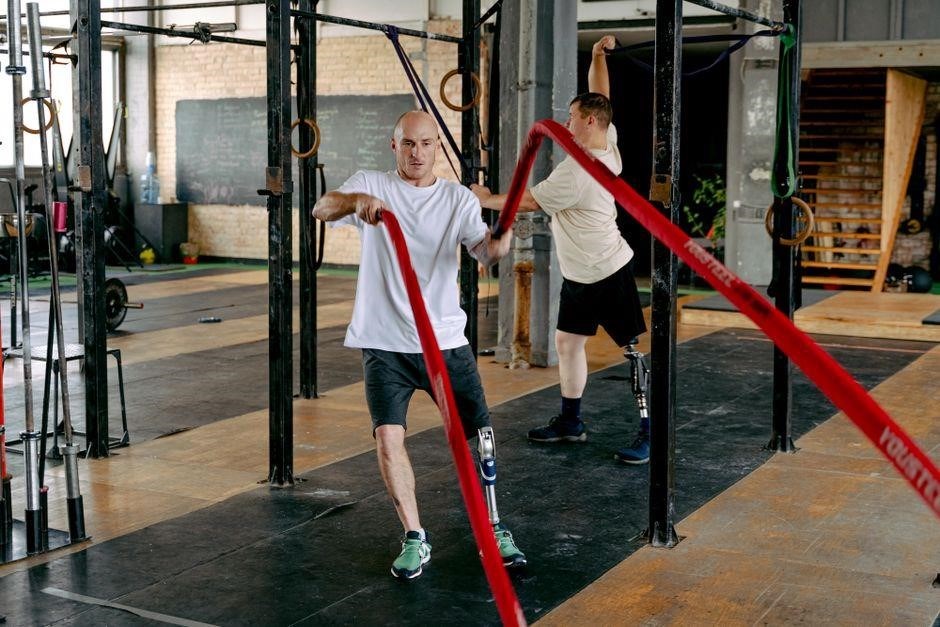
Foundational mobility sets the stage for advanced joint health. The PDF outlines a tiered plan: proprioceptive neuromuscular facilitation (PNF), joint‑centric drills, and integrated movement sequences. Each technique includes rationale, step‑by‑step guidance, and safety tips.
PNF uses active contraction followed by passive stretch to boost neural drive and joint range. The PDF recommends eight PNF pairs—hip flexor/hamstring, thoracic spine, shoulder girdle—with hold times and repetitions. A resistance band or partner can deepen the stretch.
Joint‑centric drills target the capsule and surrounding muscles; The PDF introduces a capsular glide: controlled joint rotations at 3–5 reps per second to improve circulation and reduce friction. Illustrations show proper form.
Integrated movement blends mobility with functional patterns. The PDF offers a dynamic stability circuit: deep squat, lunge, lateral step, each with a rotation. It trains the nervous system to keep joints stable under load. Perform 3–4 times per session.
Active release techniques (ART) target trigger points. Using a foam roller or weighted stick, apply pressure until mild discomfort, then hold 30–45 seconds. The PDF details zones for gluteus, thoracolumbar fascia, and cervical spine.
By integrating these techniques, users achieve superior joint mobility, reduce injury risk, and unlock higher performance. The PDF’s framework builds on previous skills, promoting safe growth. Practice consistently, monitor progress, adjust intensity daily.!!.
In closing, the mobility training program PDF serves as a comprehensive roadmap for anyone seeking to elevate joint health, performance, and overall well‑being. By integrating progressive warm‑ups, dynamic and static stretches, targeted drills, and recovery protocols, the guide ensures a balanced approach that addresses both the mechanical and neurological facets of mobility. The downloadable format allows users to reference detailed illustrations, step‑by‑step instructions, and printable checklists, making it easy to incorporate the routine into daily life or training schedules. Consistent application of the program’s principles leads to measurable improvements in range of motion, reduced soreness, and a lower risk of injury across all activity levels. Whether you’re a beginner aiming to build foundational flexibility or an advanced athlete looking to refine movement patterns, the PDF offers scalable exercises that can be tailored to individual needs. By tracking progress, staying mindful of form, and gradually increasing intensity, users can enjoy lasting benefits that extend beyond the mat and into everyday tasks and competitive pursuits. Embrace the structured guidance, stay committed, and watch as your mobility transforms into a powerful asset for performance, resilience, and quality of life. Let this PDF become your daily companion, guiding you through each movement with clarity and purpose, ensuring you stay motivated, injury‑free and consistently progressing toward a life where mobility is not just a skill but a pillar of health and vitality.