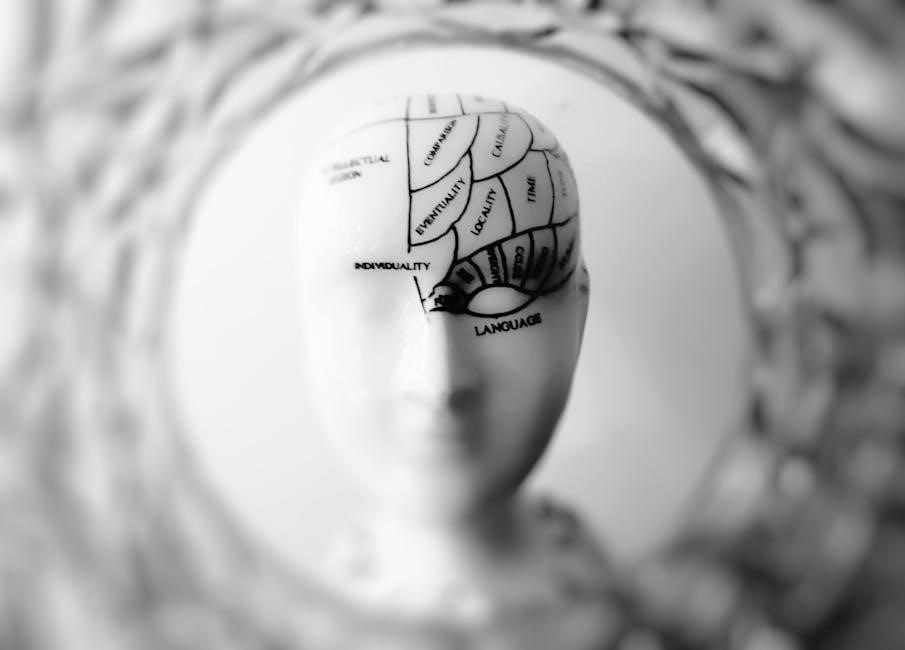
Anatomy & Physiology: An Integrated Approach (2nd Edition) delivers a dynamic, easy-to-learn experience of the human body’s function, utilizing descriptions, figures, and animations․
Overview of the Textbook
“Anatomy & Physiology: An Integrated Approach” (2nd Edition) presents a comprehensive exploration of the human body, emphasizing the interconnectedness of its systems․ This textbook facilitates learning through detailed textual descriptions, illustrative figures, helpful tables, and dynamic animations․
It aims for both a global and detailed understanding, offering a visually engaging approach to complex physiological processes․ The book’s structure supports easy knowledge integration, making it ideal for students․
Authors and Contributors (McKinley, Oloughlin, Bidle)
Michael P․ McKinley, Valerie Dean Oloughlin, and Theresa Souter Bidle are the esteemed authors of “Anatomy & Physiology: An Integrated Approach” (2nd Edition)․ Their collaborative expertise ensures a thorough and accessible presentation of the subject matter․
The French adaptation involved contributions from Dave Bélanger and a team, enhancing the text’s clarity and relevance for Francophone students․
Target Audience and Learning Objectives
This textbook is primarily designed for students enrolled in introductory anatomy and physiology courses, often within healthcare programs․ “Anatomy & Physiology: An Integrated Approach” aims to facilitate easy and dynamic learning of the human body’s functions․
Key objectives include building a comprehensive, detailed, and visually-supported understanding of anatomical structures and physiological processes․

Cellular Level of Organization
Cellular foundations are explored, detailing structure, function, transport mechanisms, and metabolic processes crucial for understanding the body’s integrated systems․
Cell Structure and Function
Cells, the basic units of life, are meticulously examined, covering their diverse components and specialized roles․ This section details the plasma membrane, cytoplasm, and organelles – nucleus, mitochondria, ribosomes, and more – explaining how each contributes to overall cellular function․
Understanding these structures is fundamental to grasping how cells perform essential life processes, including protein synthesis, energy production, and waste removal, ultimately supporting the body’s integrated systems․
Membrane Transport Mechanisms
Cellular life hinges on regulated transport across the plasma membrane․ This section explores passive processes – diffusion, osmosis, facilitated diffusion – requiring no energy expenditure․ Active transport, demanding ATP, moves substances against concentration gradients․
Vesicular transport, including endocytosis and exocytosis, facilitates bulk substance movement․ Comprehending these mechanisms clarifies nutrient uptake, waste removal, and cellular communication, vital for homeostasis․
Cellular Metabolism and Energy Production
Cells obtain energy through metabolic pathways, beginning with glycolysis in the cytoplasm․ This process breaks down glucose, yielding ATP and pyruvate․ Subsequently, pyruvate enters the mitochondria for the Krebs cycle and oxidative phosphorylation․
These aerobic processes generate substantial ATP, fueling cellular activities․ Understanding metabolic rates and energy production is crucial for comprehending overall body function and homeostasis․
Tissue Level of Organization
Tissues are groups of similar cells performing specific functions․ The four primary tissue types – epithelial, connective, muscle, and nervous – contribute to organ structure and physiology․
Epithelial Tissue Types and Functions
Epithelial tissues cover body surfaces and line body cavities, exhibiting diverse structures and functions․ Key types include squamous, cuboidal, and columnar, further categorized by layering (simple or stratified)․
These tissues provide protection, absorption, filtration, excretion, secretion, and sensory reception․ Specialized epithelial tissues form glands – exocrine releasing products via ducts, and endocrine secreting hormones into the bloodstream, crucial for bodily regulation․
Connective Tissue Types and Functions
Connective tissues provide support, protection, and binding for other tissues․ Major types include connective tissue proper (loose and dense), cartilage, bone, and blood․
These tissues feature cells scattered within an extracellular matrix composed of ground substance and fibers․ Functions encompass structural support, storage of energy reserves, and transport via blood․ Connective tissues are vital for maintaining overall body integrity and function․
Muscle Tissue Types and Functions
Muscle tissues are specialized for contraction, enabling movement․ Three main types exist: skeletal, smooth, and cardiac․ Skeletal muscle facilitates voluntary movements, while smooth muscle controls involuntary actions within organs․
Cardiac muscle, found exclusively in the heart, drives rhythmic contractions․ Muscle contraction relies on interactions between actin and myosin filaments, converting chemical energy into mechanical force, essential for bodily functions․
Nervous Tissue Structure and Function
Nervous tissue specializes in communication via electrical and chemical signals․ Neurons, the primary cells, transmit impulses, while glial cells provide support and protection․ This tissue forms the brain, spinal cord, and nerves;
Neurons possess dendrites receiving signals and axons transmitting them․ Synapses enable communication between neurons, crucial for rapid responses and coordinating bodily functions, ensuring integrated system operation․

Organ Systems Overview
Organ systems function interdependently as an integrated supersystem․ The nervous and endocrine systems collaborate, regulating bodily functions for overall homeostasis and coordination․
Integration of Organ Systems
Organ systems don’t operate in isolation; they are intricately linked, forming a cohesive and responsive whole․ The textbook emphasizes this interconnectedness, illustrating how the nervous system and endocrine system work in tandem․ For instance, nervous system components can stimulate or inhibit endocrine functions, and vice versa․ This collaborative interaction ensures efficient regulation and maintenance of bodily equilibrium, showcasing the body as a remarkably integrated unit․
The Nervous System and Endocrine System Interaction
The nervous and endocrine systems function collaboratively as a supersystem, maintaining homeostasis․ The textbook details how the nervous system frequently stimulates or inhibits endocrine activity, while hormones can alter neuronal excitability․ This interplay ensures precise and coordinated control over bodily functions, demonstrating a sophisticated feedback loop crucial for adaptation and survival within a changing environment․
Role of Free Radicals in Growth and Development
The textbook explores free radicals (section 2․1), highlighting their complex role in growth and development․ While often viewed negatively, these molecules participate in signaling pathways essential for cellular processes․ The text likely details how controlled free radical production influences cell differentiation, proliferation, and overall organismal development, emphasizing the delicate balance required for healthy growth․
Cardiovascular System
This section details the heart’s structure and function, alongside blood vessels and circulation․ Expect comprehensive coverage of blood pressure regulation and related physiological mechanisms․
Heart Structure and Function
This crucial component of the cardiovascular system is explored in detail, covering its chambers, valves, and the intricate network of conductive tissues․ The textbook elucidates how these structural elements collaborate to facilitate efficient blood pumping throughout the body․ Expect a thorough examination of the cardiac cycle, including systole and diastole, alongside detailed illustrations and explanations of the heart’s electrical activity․ Understanding these mechanisms is fundamental to grasping overall circulatory function․
Blood Vessels and Circulation
The textbook meticulously details the diverse types of blood vessels – arteries, veins, and capillaries – and their unique structural adaptations․ It explains how these vessels form intricate circulatory pathways, ensuring oxygen and nutrient delivery to tissues․ Expect comprehensive coverage of systemic and pulmonary circulation, blood flow regulation, and factors influencing vascular resistance․ Visual aids clarify complex concepts, enhancing comprehension of this vital system․
Regulation of Blood Pressure
This section thoroughly examines the multifaceted mechanisms governing blood pressure, encompassing neural, hormonal, and renal controls․ The textbook elucidates the roles of baroreceptors, chemoreceptors, and the renin-angiotensin-aldosterone system․ Expect detailed explanations of short-term and long-term regulatory processes, alongside factors influencing cardiac output and peripheral resistance, crucial for maintaining homeostasis․

Respiratory System
The respiratory system’s structure and function are explored, detailing gas exchange within the lungs and the mechanisms controlling breathing for optimal oxygenation․
Lung Structure and Gas Exchange
The lungs’ intricate structure, from the bronchi to the alveoli, facilitates efficient gas exchange․ This process involves oxygen moving from the inhaled air into the bloodstream, while carbon dioxide travels in the opposite direction․
Understanding alveolar structure and pulmonary capillaries is crucial for comprehending how this vital exchange occurs, supporting cellular respiration throughout the body․ The textbook details these processes comprehensively․
Control of Breathing
Breathing control is a complex process, regulated by the respiratory centers within the brainstem – the medulla oblongata and pons․ These centers respond to changes in blood pH, carbon dioxide, and oxygen levels, adjusting respiratory rate and depth․
The textbook elucidates how chemoreceptors and mechanoreceptors contribute to this regulation, ensuring adequate oxygen intake and carbon dioxide removal, maintaining homeostasis․
Transport of Gases in the Blood
Oxygen transport primarily relies on hemoglobin within red blood cells, forming oxyhemoglobin․ Carbon dioxide is transported in three ways: dissolved in plasma, bound to hemoglobin (carbaminohemoglobin), and as bicarbonate ions – a process crucial for pH balance․
The textbook details how factors like temperature, pH, and partial pressure influence gas binding and release, optimizing delivery to tissues and removal of waste․
Digestive System
The digestive system breaks down food for nutrient absorption, involving organs like the stomach and intestines, and metabolic processes for energy utilization․
Digestive Organs and Their Functions
The digestive system encompasses a series of organs working in concert to process food․ The mouth initiates mechanical and chemical breakdown, while the esophagus transports food to the stomach․ The stomach continues digestion with acids and enzymes, and the small intestine is crucial for nutrient absorption․
Further along, the large intestine absorbs water and forms feces, ultimately eliminated through the rectum and anus․ Accessory organs, like the liver, gallbladder, and pancreas, contribute vital digestive secretions․
Nutrient Absorption
Nutrient absorption primarily occurs within the small intestine, facilitated by its vast surface area created by villi and microvilli․ Carbohydrates, proteins, and fats are broken down into smaller molecules – glucose, amino acids, and fatty acids – for absorption into the bloodstream․
Water-soluble nutrients enter capillaries, while fats are absorbed into lacteals․ The large intestine absorbs water, electrolytes, and some vitamins, completing the digestive process․
Metabolic Processes
Metabolic processes encompass all chemical reactions occurring within the body, crucial for maintaining life․ These include catabolism – breaking down complex molecules to release energy – and anabolism – building complex molecules using energy․
Key metabolic pathways like glycolysis, the Krebs cycle, and oxidative phosphorylation generate ATP, the body’s primary energy currency, fueling cellular activities and overall bodily functions․

Urinary System
The urinary system regulates fluid and electrolyte balance through kidney structure and function, ultimately forming urine and maintaining homeostasis․
Kidney Structure and Function
The kidneys are vital organs responsible for filtering blood, removing waste products, and regulating fluid balance within the body․ Their complex structure includes nephrons, functional units composed of glomeruli and tubules․ These structures facilitate urine formation through filtration, reabsorption, and secretion processes․ Understanding kidney anatomy and physiology is crucial for comprehending overall bodily homeostasis, as detailed within Anatomy & Physiology: An Integrated Approach․
Urine Formation
Urine formation, a core kidney function, occurs in three key stages: glomerular filtration, tubular reabsorption, and tubular secretion․ Initially, blood is filtered in the glomeruli․ Subsequently, essential substances are reabsorbed back into the bloodstream, while waste products are secreted into the tubules․ This process, thoroughly explained in Anatomy & Physiology: An Integrated Approach, ultimately produces urine for excretion, maintaining fluid and electrolyte balance․
Fluid and Electrolyte Balance
Fluid and electrolyte balance is critically maintained by the urinary system, working in concert with others․ The kidneys regulate water reabsorption and excretion, alongside key electrolytes like sodium, potassium, and chloride․ Anatomy & Physiology: An Integrated Approach details hormonal controls—ADH and aldosterone—that fine-tune this balance, essential for cellular function and overall homeostasis within the body․
Endocrine System
The endocrine system utilizes hormone regulation and feedback mechanisms, featuring both exocrine and endocrine glands, to control bodily functions effectively․
Types of Glands (Exocrine and Endocrine)
The body contains diverse glands, categorized as exocrine or endocrine, as detailed in chapter 4․ Exocrine glands secrete products through ducts into body cavities or surfaces—think sweat glands․ Conversely, endocrine glands release hormones directly into the bloodstream, influencing metabolic processes and stimulating various bodily responses, functioning as a crucial integrated system․
Hormone Regulation and Feedback Mechanisms
Hormone regulation relies heavily on feedback mechanisms, ensuring bodily homeostasis․ The nervous and endocrine systems frequently interact, functioning as an integrated supersystem․ Nerve stimulation can trigger hormone release, while hormones influence neural activity, demonstrating a complex interplay crucial for maintaining internal stability and coordinating bodily functions․
Major Endocrine Glands and Their Hormones
The endocrine system comprises diverse glands, each secreting specific hormones․ Exocrine glands release products via ducts, while endocrine glands release hormones directly into the bloodstream․ These hormones regulate metabolism and stimulate various bodily functions, demonstrating the intricate coordination between glands and their hormonal outputs for overall physiological balance․

Reproductive System
The reproductive system’s anatomy and physiology are explored, detailing hormonal control of reproduction within both the male and female systems for comprehensive understanding․
Male Reproductive System Anatomy and Physiology
This section meticulously details the male reproductive system’s anatomical structures, including the testes, epididymis, vas deferens, seminal vesicles, prostate gland, and penis․ It explores their individual functions and collaborative roles in sperm production, maturation, and delivery․ Physiological processes, such as spermatogenesis and hormonal regulation—primarily testosterone—are thoroughly examined, highlighting their impact on reproductive function and the development of secondary sexual characteristics․ The interplay between the nervous and endocrine systems in controlling these processes is also discussed․
Female Reproductive System Anatomy and Physiology
This section provides a comprehensive overview of the female reproductive system’s anatomy, encompassing the ovaries, fallopian tubes, uterus, cervix, and vagina․ It details the intricate functions of each component, focusing on oogenesis, fertilization, implantation, and gestation․ Physiological processes, driven by hormones like estrogen and progesterone, are explored, alongside their cyclical influence on the uterine lining and overall reproductive health․ The hormonal control of the menstrual cycle is also thoroughly examined․
Hormonal Control of Reproduction
This section delves into the complex interplay of hormones governing reproductive processes․ It details the hypothalamic-pituitary-gonadal (HPG) axis, highlighting the roles of gonadotropin-releasing hormone (GnRH), follicle-stimulating hormone (FSH), and luteinizing hormone (LH)․ Estrogen and progesterone’s cyclical fluctuations, impacting the uterine lining and feedback mechanisms, are thoroughly explained․ The influence of these hormones on gametogenesis and reproductive cycles is also explored․

Immune System
The immune system’s components—innate and adaptive immunity—are explored, detailing immune cell functions and potential immune disorders, providing a comprehensive overview․
Innate and Adaptive Immunity
The textbook meticulously details both innate and adaptive immune responses․ Innate immunity, the body’s first line of defense, is examined alongside adaptive immunity, which develops over time and provides targeted responses․ This section explores the interplay between these systems, highlighting how they collaborate to protect the body from pathogens․
Immune Cells and Their Functions
This section provides a comprehensive overview of crucial immune cells, detailing their specific roles in defending against disease․ It explores lymphocytes (B cells, T cells, and NK cells), phagocytes (macrophages and neutrophils), and antigen-presenting cells․ The textbook clarifies how these cells interact and coordinate to mount effective immune responses, ensuring bodily protection․
Immune Disorders
This section delves into the complexities of immune system malfunctions, exploring autoimmune diseases where the body attacks itself, immunodeficiencies resulting in compromised immunity, and hypersensitivities like allergies․ The textbook details the causes, mechanisms, and consequences of these disorders, providing insight into their impact on overall health and potential therapeutic interventions․

Skeletal System
The skeletal system chapter explores bone structure, function, and growth, detailing joints, movement, and remodeling processes crucial for support, protection, and locomotion․
Bone Structure and Function
Bone tissue comprises a complex matrix of collagen and minerals, providing both flexibility and strength․ This section details compact and spongy bone organization, highlighting osteocytes, osteoblasts, and osteoclasts’ roles in bone maintenance and remodeling․
Furthermore, it explains how bone structure supports vital functions like protection of internal organs, mineral storage (calcium and phosphate), and blood cell production within the bone marrow․
Joints and Movement
Joints, where bones articulate, enable the body’s diverse movements․ This section explores fibrous, cartilaginous, and synovial joint classifications, detailing their structural differences and ranges of motion․ It explains how ligaments connect bones, providing stability, while muscles, via tendons, generate force for movement․ Understanding joint mechanics is crucial for analyzing human locomotion and biomechanics․
Bone Growth and Remodeling
Bone is a dynamic tissue undergoing continuous remodeling and growth․ This process, involving osteoblasts (bone formation) and osteoclasts (bone resorption), adapts bone to mechanical stress throughout life․ Initially, endochondral ossification forms long bones, while appositional growth increases bone thickness․ Remodeling maintains calcium homeostasis and repairs microfractures, ensuring skeletal integrity․