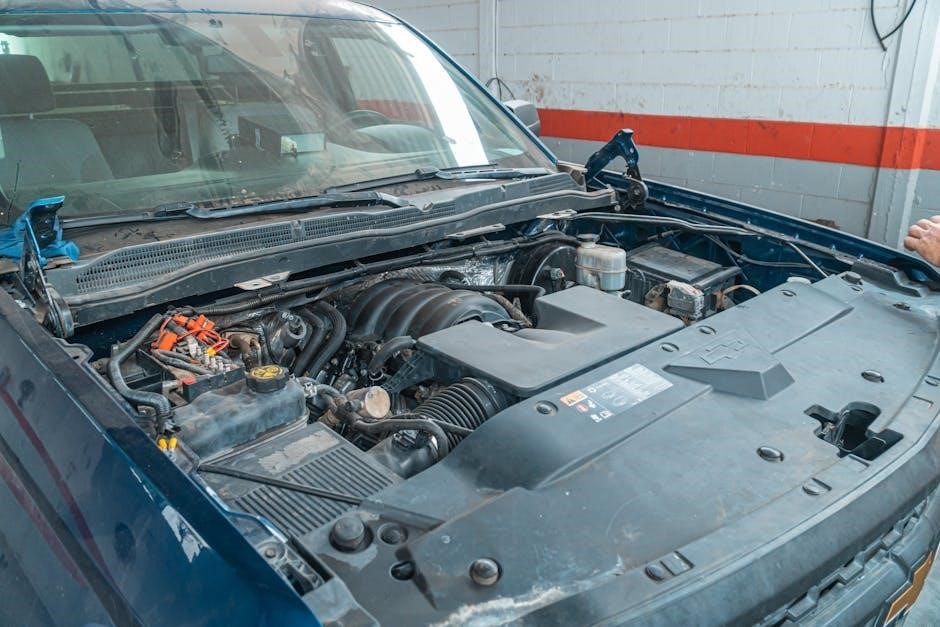
For Cummins truck owners‚ maximizing dependability and performance is key. Addressing EGR system issues is common‚ leading many to explore delete options for improved engine function.
Diesel trucks are built for demanding tasks like towing and hauling‚ where engine reliability is paramount. Upgrades like EGR deletes aim to enhance these crucial capabilities.
The 6.7 Cummins EGR delete‚ alongside kits for trucks like the 2018 F250‚ offers enthusiasts a pathway to unlock greater performance potential from their diesel engines.
Why Delete the EGR?
The Exhaust Gas Recirculation (EGR) system‚ while designed to reduce emissions‚ often presents performance and maintenance challenges for 6.7 Cummins owners. A primary reason for deletion is to combat the inherent issues within the EGR system itself‚ which can lead to soot buildup and restricted airflow.
This buildup negatively impacts engine efficiency‚ potentially causing reduced horsepower‚ torque‚ and fuel economy. Furthermore‚ the EGR valve and cooler are prone to failure‚ requiring costly repairs and downtime. Deleting the EGR system directly addresses these concerns by restoring optimal airflow and eliminating a common point of failure.
For those frequently engaged in heavy-duty work – towing‚ hauling‚ or demanding applications – an EGR delete can significantly improve engine reliability and longevity. By removing the system‚ you’re simplifying the engine’s operation and reducing the strain on critical components. Ultimately‚ the decision to delete often stems from a desire for enhanced performance‚ increased dependability‚ and reduced long-term maintenance costs.
Benefits of an EGR Delete
Implementing a 6.7 Cummins EGR delete unlocks a range of performance enhancements. Owners frequently report a noticeable increase in horsepower and torque‚ resulting in improved towing capacity and overall responsiveness. The removal of exhaust gas recirculation allows for a cooler intake charge‚ boosting combustion efficiency.
Beyond performance gains‚ an EGR delete contributes to improved fuel economy‚ particularly during highway driving and heavy loads. Eliminating the EGR system also reduces the risk of costly repairs associated with a failing EGR valve or cooler‚ enhancing long-term reliability.
Furthermore‚ deleting the EGR can lead to cleaner engine oil‚ as less soot is recirculated into the intake. This translates to extended oil change intervals and reduced engine wear. For diesel truck enthusiasts prioritizing performance‚ dependability‚ and reduced maintenance‚ an EGR delete presents a compelling upgrade path.
Legality and Regulations (Important Disclaimer)
It is crucial to understand that modifying emissions control systems‚ including performing a 6.7 Cummins EGR delete‚ carries significant legal implications. Regulations vary drastically by location – federal‚ state‚ and even local laws apply.
In many jurisdictions‚ removing or disabling emissions equipment is illegal for on-road vehicles. Such modifications can result in hefty fines‚ failed emissions inspections‚ and even vehicle impoundment. This is not a comprehensive legal guide; it’s essential to verify local laws.
An EGR delete is generally permissible for off-road or race-only vehicles‚ where emissions standards are less stringent. However‚ even in these cases‚ adherence to specific regulations is vital. Disclaimer: We do not endorse or encourage any illegal modifications. This information is for educational purposes only‚ and users are solely responsible for complying with all applicable laws and regulations.
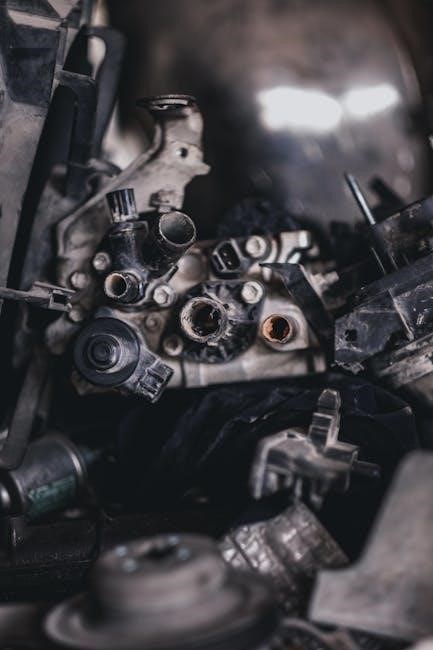
Understanding the 6.7 Cummins EGR System
The 6.7 Cummins EGR system recirculates exhaust gases‚ reducing NOx emissions. Understanding its components and function is vital before considering a delete for performance gains.
EGR System Components
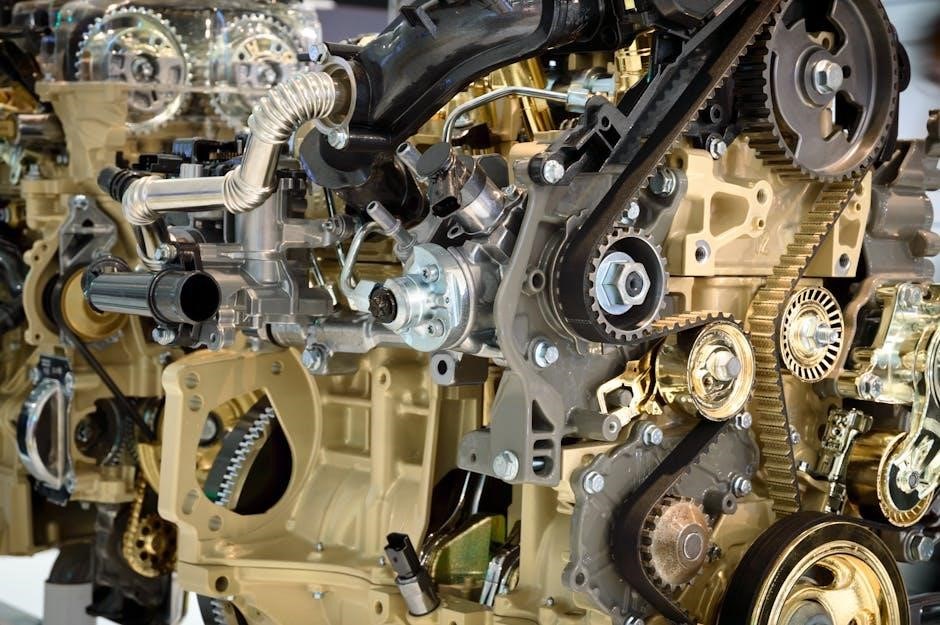
The 6.7 Cummins EGR system comprises several key components working in unison to manage exhaust gas recirculation. Central to the system is the EGR valve itself‚ responsible for metering the flow of exhaust gas back into the intake manifold. Connected to the valve are EGR tubes‚ robust metal conduits that carry the exhaust gases. These tubes are susceptible to soot buildup over time.
A differential pressure sensor monitors the EGR system’s functionality‚ providing feedback to the engine control module (ECM). The EGR cooler‚ often a source of failure‚ reduces the temperature of the recirculated exhaust gas. Furthermore‚ the system relies on the engine’s ECM for control and monitoring‚ and various sensors to ensure optimal operation. Understanding each component’s role is crucial before undertaking an EGR delete‚ as removal necessitates addressing connections and potential sensor implications.
How the EGR System Works
The 6.7 Cummins EGR system functions by recirculating a portion of exhaust gas back into the engine’s intake manifold. This process lowers combustion temperatures‚ significantly reducing the formation of nitrogen oxides (NOx)‚ a harmful emission. The EGR valve‚ controlled by the engine’s ECM‚ opens and closes to regulate the amount of exhaust gas reintroduced.
During low-load conditions‚ like highway cruising‚ the EGR system is most active. The EGR cooler lowers the temperature of the recirculated gas‚ further enhancing NOx reduction. However‚ this process can lead to soot buildup within the EGR tubes and cooler‚ impacting performance. The differential pressure sensor monitors system function‚ alerting the ECM to any issues. Ultimately‚ the EGR system balances emissions control with engine efficiency‚ a compromise many diesel owners seek to alter through deletion.
Common EGR System Failures
The 6.7 Cummins EGR system‚ while effective‚ is prone to several common failures. Excessive soot buildup within the EGR cooler and EGR tubes is a frequent issue‚ restricting exhaust flow and triggering check engine lights. This buildup stems from the recirculation of exhaust gases‚ particularly during short-haul driving.
EGR valve sticking‚ often due to carbon deposits‚ prevents proper opening and closing‚ disrupting airflow and causing performance issues. Differential pressure sensors can also fail‚ providing inaccurate readings to the ECM and leading to incorrect system operation. Cracked EGR coolers are another concern‚ potentially causing coolant leaks and severe engine damage. These failures often necessitate costly repairs‚ prompting many owners to consider an EGR delete as a more permanent solution.

Tools and Materials Needed for the Delete
Successfully completing a 6.7 Cummins EGR delete requires specific tools and parts‚ including sockets‚ wrenches‚ and a comprehensive EGR delete kit for optimal results.
Required Tools List
Embarking on a 6.7 Cummins EGR delete demands a well-equipped toolkit. Essential hand tools include a comprehensive socket set (both metric and standard)‚ encompassing various sizes and extensions‚ alongside a matching wrench set. A torque wrench is crucial for precise tightening of bolts to manufacturer specifications‚ preventing leaks or damage.
Beyond basic hand tools‚ specialized equipment proves invaluable. An E-Torx bit set is often required for specific EGR components. Pneumatic tools‚ such as an impact wrench and air ratchet‚ significantly expedite the removal of stubborn bolts. Additionally‚ a coolant drain pan is necessary for safely collecting coolant during the EGR removal process.
Diagnostic tools‚ like an OBDII scanner capable of reading and clearing diagnostic trouble codes (DTCs)‚ are essential for post-installation procedures. Safety glasses and gloves are non-negotiable for personal protection. Finally‚ penetrating oil will assist in loosening corroded fasteners‚ simplifying the disassembly process.
Parts List: EGR Delete Kit Components
A complete 6.7 Cummins EGR delete kit typically includes several key components. The core element is the EGR delete plate‚ usually constructed from robust materials like stainless steel or aluminum‚ designed to seal the exhaust gas recirculation pathway. High-quality gaskets are vital for ensuring a leak-proof seal between the plate and the exhaust manifold.
Many kits also incorporate upgraded EGR cooler tubes or bypass tubes‚ eliminating potential failure points. Stainless steel hardware‚ including bolts and clamps‚ is often included‚ offering superior corrosion resistance compared to factory components. Some premium kits‚ like those from Flasharks Premium‚ prioritize precision engineering and a harmonious fit.
Depending on the kit‚ you might also find O-rings‚ and potentially even a CCV filter delete component‚ as these upgrades often complement the EGR delete. Always verify the kit’s contents against the manufacturer’s list to ensure all necessary parts are present before commencing installation.
Safety Equipment
Prioritizing safety during a 6.7 Cummins EGR delete is paramount. Always wear safety glasses to protect your eyes from debris generated during removal and installation processes. Heavy-duty work gloves are essential to shield your hands from sharp edges‚ hot surfaces‚ and potential chemical exposure.
A respirator or dust mask is highly recommended‚ especially when working around exhaust components‚ to avoid inhaling harmful particles. Ensure adequate ventilation in your workspace to dissipate fumes. A good quality floor jack and jack stands are crucial for safely lifting and supporting the vehicle.
Keep a fire extinguisher readily accessible in case of accidental sparks or fuel leaks. Penetrating oil is useful for loosening stubborn bolts‚ but handle it with care‚ wearing appropriate gloves. Finally‚ a well-lit workspace is vital for clear visibility and accurate work.
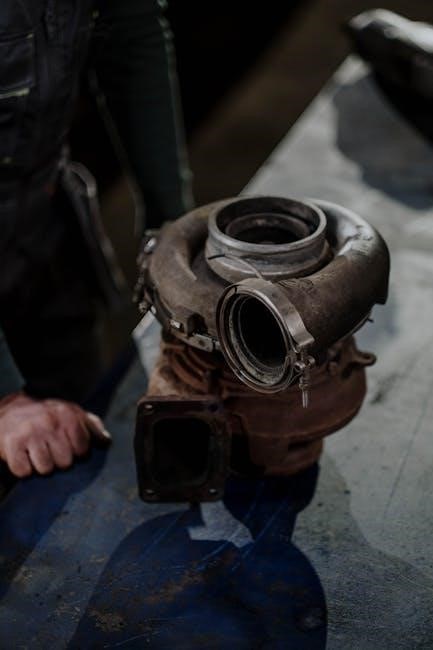
Step-by-Step EGR Delete Instructions
Begin by disconnecting the battery for safety. Then‚ carefully remove the factory EGR valve‚ preparing for the installation of your new EGR delete kit components.
Disconnecting the Battery
Before commencing any work on your 6.7 Cummins EGR system‚ prioritizing safety is paramount. The very first step in the EGR delete process involves disconnecting the truck’s battery. This crucial precaution prevents accidental electrical shorts or damage to the vehicle’s sensitive electronic components during the removal and installation procedures.
Locate the negative terminal on your battery – it’s typically marked with a (-) symbol and often covered with a black cap. Using an appropriately sized wrench‚ carefully loosen the nut securing the negative cable to the terminal. Once loosened‚ gently remove the cable from the terminal‚ ensuring it doesn’t accidentally make contact again. Secure the disconnected cable away from the battery terminal to prevent accidental reconnection.
It’s also recommended to disconnect the positive (+) terminal as an additional safety measure‚ following the same procedure. This double precaution minimizes any risk of electrical issues during the EGR delete process‚ safeguarding both you and your vehicle’s electrical system.
Removing the Factory EGR Valve
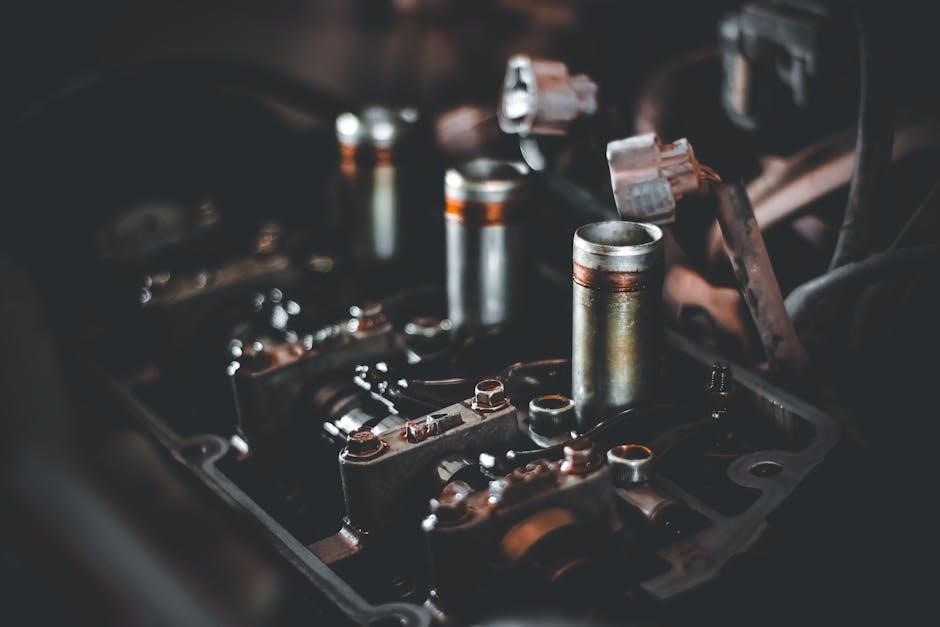
With the battery safely disconnected‚ you can now proceed to remove the factory EGR valve. Begin by locating the EGR valve itself‚ typically found near the intake manifold. Several hoses and electrical connectors are attached to the valve; carefully disconnect each one. Labeling these connections as you remove them is highly recommended to simplify reassembly or troubleshooting later.
Next‚ unbolt the EGR valve from the engine. The number and size of bolts will vary‚ so ensure you use the correct tools to avoid stripping the bolt heads. Once all bolts are removed‚ gently wiggle the EGR valve to break it free from any accumulated carbon buildup. Be patient and avoid excessive force‚ as you don’t want to damage the surrounding components.
Finally‚ carefully remove the EGR valve from the engine bay. Inspect the EGR valve mounting surface for any remaining gasket material and clean it thoroughly to ensure a proper seal when the delete kit is installed.
Installing the EGR Delete Kit
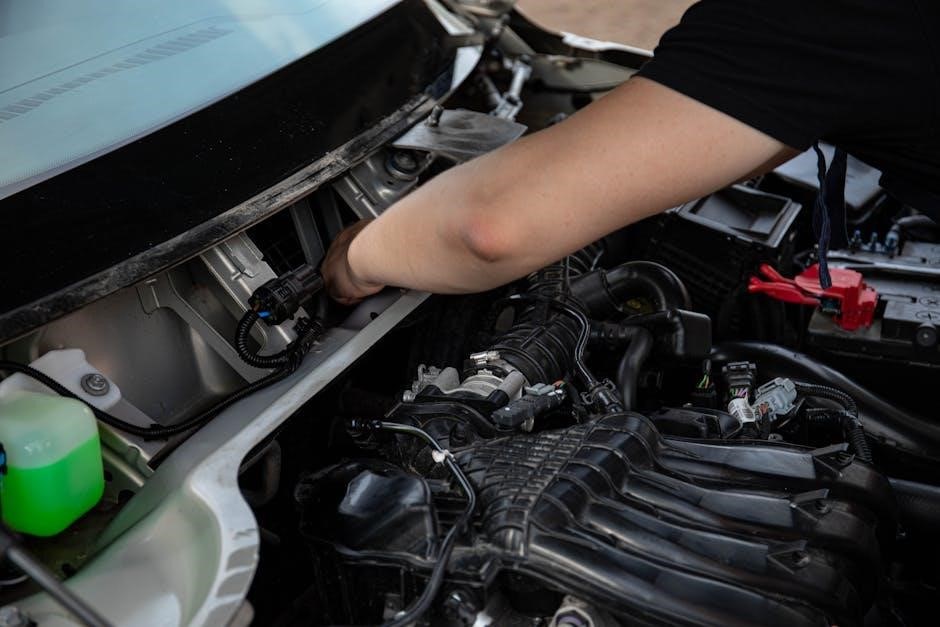
With the factory EGR valve removed and the mounting surface cleaned‚ you’re ready to install the EGR delete kit. Begin by positioning the delete kit’s plate or adapter onto the engine‚ aligning it with the bolt holes. Ensure a proper fit before proceeding to avoid any issues during tightening.
Install new bolts (typically included in the kit) and tighten them to the manufacturer’s specified torque. Tightening in a star pattern will help ensure even pressure and a secure seal. Reconnect any necessary hoses or tubes‚ utilizing new clamps if provided with the kit. Double-check all connections for tightness and proper placement.
Finally‚ if the kit includes a block-off plate for the exhaust side‚ install it now‚ following the same procedure of alignment‚ bolting‚ and torque specifications. A secure installation is crucial to prevent exhaust leaks and maintain optimal engine performance.
Post-Installation Procedures
After the physical installation‚ PCM/ECM tuning is essential for optimal performance and to prevent drivability issues. Clearing DTCs and careful engine monitoring are also vital.
PCM/ECM Tuning Requirements
Following a 6.7 Cummins EGR delete‚ reprogramming your vehicle’s Powertrain Control Module (PCM) or Engine Control Module (ECM) is absolutely crucial. The factory calibration is designed to operate with the EGR system functioning; removing it creates significant discrepancies that will trigger a cascade of diagnostic trouble codes (DTCs) and severely limit engine performance.
Simply deleting the EGR hardware isn’t enough. The ECM needs to be informed that the EGR is no longer present. This is achieved through custom tuning‚ typically utilizing a handheld tuner or a professional tuning service. A proper tune will disable the EGR functions‚ adjust fuel delivery‚ and optimize air-fuel ratios to ensure the engine runs efficiently and reliably without the EGR system.
Several tuning options are available‚ ranging from pre-loaded tunes designed specifically for EGR deletes to fully custom tunes tailored to your specific modifications and driving style. Choosing a reputable tuner experienced with Cummins engines is paramount to avoid damaging your engine. Failing to tune after an EGR delete can lead to reduced power‚ poor fuel economy‚ and potential engine damage over time.
Clearing Diagnostic Trouble Codes (DTCs)
After completing the 6.7 Cummins EGR delete and subsequent PCM/ECM tuning‚ you’ll almost certainly encounter stored Diagnostic Trouble Codes (DTCs) related to the now-absent EGR system. These codes are a natural consequence of removing a factory-installed component and require clearing to ensure optimal engine operation and prevent unnecessary warning lights.
A scan tool capable of reading and clearing diesel-specific DTCs is essential. Connect the scan tool to your vehicle’s diagnostic port and initiate a scan. Identify and clear all codes pertaining to the EGR system – these will typically include codes related to EGR flow‚ EGR valve position‚ and EGR system performance.
While clearing the codes is straightforward‚ it’s crucial to understand why they were present in the first place. If codes reappear after clearing‚ it indicates an issue with the tuning or installation. Repeatedly clearing codes without addressing the underlying problem is not a solution. Proper tuning should prevent the EGR-related DTCs from returning.
Initial Engine Startup and Monitoring
Following the PCM/ECM tuning and DTC clearing‚ the initial engine startup after an EGR delete requires careful attention. Begin by cycling the key to the “on” position‚ allowing the fuel system to prime without actually starting the engine. Listen for the fuel pump to engage and cease. This ensures adequate fuel pressure.
Start the engine and allow it to idle. Closely monitor for any unusual noises‚ vibrations‚ or smoke – particularly black or white smoke‚ which could indicate incomplete combustion or tuning issues. Observe the exhaust temperature gauge‚ if equipped‚ to ensure it remains within acceptable operating ranges.
During the first few drive cycles‚ continue to monitor engine performance. Pay attention to boost levels‚ fuel economy‚ and overall responsiveness. A properly tuned EGR delete should result in smoother operation and improved power delivery. Regularly scan for any reappearing DTCs‚ signaling potential problems needing immediate attention.

Additional Considerations & Upgrades
Complementary upgrades‚ like a CCV filter delete‚ enhance crankcase ventilation‚ minimizing oil contamination and intake buildup for optimal engine health and performance.
CCV Filter Delete (Complementary Upgrade)
Following an EGR delete on your 6.7 Cummins‚ consider a Crankcase Ventilation (CCV) filter delete as a highly beneficial complementary upgrade. The factory CCV system is prone to oil buildup‚ potentially restricting airflow and causing issues with the turbocharger and intake system.
A CCV filter delete kit typically replaces the restrictive factory CCV components with a simpler‚ more free-flowing setup. This modification helps to minimize oil contamination within the intake‚ reducing the risk of intake valve fouling and improving overall engine efficiency.
Many truck owners opt for this upgrade alongside the EGR delete to create a more comprehensive emissions system overhaul. By improving crankcase ventilation‚ you’re proactively addressing a potential source of engine problems and contributing to long-term reliability. It’s a relatively straightforward installation‚ often completed in conjunction with the EGR delete process‚ saving time and effort.
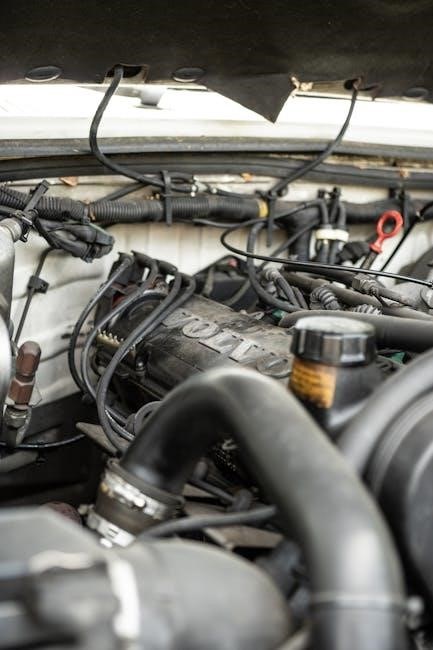
Ultimately‚ a CCV filter delete enhances the benefits gained from the EGR delete‚ promoting cleaner airflow and a healthier engine environment for your 6.7 Cummins.
Exhaust System Modifications
After completing a 6.7 Cummins EGR delete‚ evaluating your exhaust system is crucial for optimizing performance gains. Removing the EGR alters exhaust flow‚ potentially necessitating modifications to fully realize the benefits of the delete.
Consider upgrading to a larger diameter exhaust system‚ including a downpipe and exhaust piping‚ to reduce backpressure. This allows the turbocharger to spool more efficiently‚ resulting in increased horsepower and torque. A performance exhaust system also enhances the overall sound of your truck.
Depending on your performance goals‚ you might explore options like a turbo-back exhaust system or a full exhaust system replacement. Ensure any modifications comply with local emissions regulations‚ as exhaust system changes can impact legality;
Pairing the EGR delete with exhaust upgrades creates a synergistic effect‚ maximizing airflow and unlocking the full potential of your 6.7 Cummins engine. Careful planning and component selection are key to achieving optimal results.
Performance Monitoring After the Delete
Post-EGR delete‚ diligent performance monitoring is essential to ensure optimal engine operation and identify any potential issues. Utilizing a quality monitoring system allows you to track vital engine parameters in real-time.
Key metrics to observe include exhaust gas temperature (EGT)‚ boost pressure‚ fuel pressure‚ and coolant temperature. Elevated EGTs can indicate lean conditions or excessive load‚ while abnormal boost or fuel pressure readings signal potential component malfunctions.
Data logging capabilities are invaluable for analyzing performance trends over time. This data can reveal subtle changes that might otherwise go unnoticed‚ allowing for proactive maintenance and adjustments.
Regularly review the logged data and compare it to baseline readings established before the delete. This provides a clear understanding of the performance gains achieved and helps identify any areas requiring attention. Consistent monitoring safeguards your investment and maximizes the longevity of your engine.