
Hungry Jack Pancake Mix Instructions: A Comprehensive Guide
Hungry Jack offers diverse mixes, including Original and Complete buttermilk varieties, catering to varied preferences. Utilizing Hungry Jack products simplifies breakfast,
even for those avoiding scratch recipes. From classic pancakes to savory sausage-infused options, or even cheddar cheese variations, Hungry Jack provides versatile solutions.
Understanding Hungry Jack Pancake Mix Varieties

Hungry Jack distinguishes itself with a range of pancake and waffle mixes designed to suit diverse culinary needs and preferences. The core offerings center around two primary types: the Hungry Jack Original Pancake & Waffle Mix and the Hungry Jack Complete Buttermilk Pancake & Waffle Mix. Understanding the nuances between these is crucial for achieving optimal results.
The Original mix typically requires the addition of eggs and milk alongside water, granting the cook greater control over the final product’s richness and flavor profile. This allows for customization, catering to individual tastes. Conversely, the Complete mix is formulated as a convenient, all-in-one solution. It requires only water, simplifying the preparation process significantly – ideal for quick breakfasts or when ingredients are limited.
Beyond these staples, Hungry Jack also offers specialized mixes, though less commonly found. These may include variations with added flavors or ingredients, catering to specific dietary needs or preferences. The availability of these varies by region and retailer. Recognizing these distinctions empowers users to select the Hungry Jack mix best aligned with their desired outcome and convenience level.
Original vs. Complete: Key Differences
The fundamental distinction between Hungry Jack Original and Complete pancake mixes lies in their ingredient composition and required additions during preparation. Hungry Jack Original necessitates the inclusion of eggs and milk alongside water, providing a more customizable base for pancakes. This allows bakers to influence the richness and texture, tailoring the final product to their liking.
In contrast, Hungry Jack Complete Buttermilk Pancake & Waffle Mix is engineered for simplicity. It’s a pre-blended formula requiring only water, streamlining the cooking process. This convenience comes from the inclusion of dried buttermilk, eggs, and other essential components within the mix itself. The Complete mix delivers a consistently buttermilk-flavored pancake with minimal effort.
Texture also differs subtly. Original tends to yield a slightly lighter, airier pancake when properly prepared, due to the fresh eggs and milk. Complete, while still fluffy, often presents a denser texture. Flavor-wise, Original allows for greater nuance, while Complete offers a reliably consistent buttermilk taste. Choosing between them depends on desired control versus convenience.
Ingredients Needed for Basic Pancakes
Creating classic pancakes with Hungry Jack mix is remarkably straightforward. For the most basic recipe, utilizing the Original mix, you’ll require a 32-ounce box of Hungry Jack Original Pancake & Waffle Mix. Complementing this, you’ll need 1 cup of milk – dairy or a suitable alternative – and 1 large egg to bind the ingredients and contribute to a richer texture.

The liquid component is crucial; typically, 1 to 1 ½ cups of water are added, adjusting based on desired consistency. However, the Complete mix simplifies this, needing only 1 cup of water. Beyond these core elements, a small amount of cooking oil or non-stick spray is essential for greasing the griddle, preventing sticking and ensuring golden-brown pancakes.
Optional additions, like a pinch of salt to enhance flavors, can be incorporated. For those desiring a sweeter pancake, a tablespoon of sugar can be added to the batter. Ultimately, the fundamental ingredients – mix, milk (or water for Complete), and egg – form the foundation for a delightful pancake experience with Hungry Jack.
Water Temperature: Impact on Pancake Texture
The temperature of the water used with Hungry Jack pancake mix significantly influences the final texture of your pancakes. While cold water is often recommended, its impact is nuanced. Using ice-cold water slows gluten development, resulting in more tender pancakes. This is because colder temperatures inhibit the formation of strong gluten strands, leading to a softer bite.
Conversely, warmer water accelerates gluten development, potentially yielding tougher pancakes. However, slightly warm water can also help activate the leavening agents in the mix more effectively, contributing to a fluffier outcome. The key is to avoid excessively hot water, as this can prematurely activate the leavening and diminish the rise.
Generally, water between 60-70°F (15-21°C) strikes a balance, providing sufficient activation without overdeveloping the gluten. Experimentation is encouraged; slight adjustments to water temperature can fine-tune the texture to your preference, ensuring consistently delicious Hungry Jack pancakes.
Mixing the Batter: Avoiding Overmixing
When preparing Hungry Jack pancake batter, the mixing process is crucial for achieving light and fluffy pancakes. The primary rule is to avoid overmixing. Overmixing develops the gluten in the flour, resulting in tough, chewy pancakes rather than the tender texture desired. A few lumps in the batter are perfectly acceptable – in fact, they’re a good sign!
Begin by gently combining the wet and dry ingredients. Use a whisk or fork, and mix only until the dry ingredients are just moistened. Resist the urge to continue mixing to eliminate every single lump. The lumps will largely disappear during cooking as the batter spreads on the hot griddle.
A slightly lumpy batter indicates that the gluten hasn’t been overworked. This ensures the pancakes remain light and airy. Remember, gentle handling is key. Overmixing is a common mistake, so prioritize a quick, light touch when combining the ingredients for optimal Hungry Jack pancake perfection.
Resting the Batter: Enhancing Fluffiness
Allowing the Hungry Jack pancake batter to rest for 5-10 minutes before cooking is a surprisingly impactful step often overlooked. This resting period allows the gluten to relax, contributing to a more tender pancake. More importantly, it enables the flour to fully absorb the liquid, resulting in a more consistent batter texture and improved rise during cooking.
During the rest, the baking powder in the mix begins to activate, creating tiny air bubbles. These bubbles are essential for achieving light and fluffy pancakes. Without this resting phase, the baking powder’s full potential isn’t realized, leading to flatter, denser results.
Simply cover the bowl with a clean cloth or plastic wrap and let it sit at room temperature. Don’t refrigerate the batter, as this can hinder the activation of the baking powder. A short rest significantly enhances the final product, transforming your Hungry Jack pancakes from good to exceptional.
Cooking Temperature: Achieving Golden Brown Pancakes
The ideal griddle temperature for Hungry Jack pancakes is crucial for achieving that perfect golden-brown color and fluffy texture. A medium heat, typically around 350-375°F (175-190°C), is recommended. If the griddle is too hot, the pancakes will burn on the outside before cooking through, resulting in a raw center.
Conversely, a griddle that’s not hot enough will produce pale, flat pancakes that lack that desirable crispness. A simple test is to flick a few drops of water onto the griddle; if they sizzle and evaporate quickly, it’s ready. If they just sit there, it needs more heat.

Adjust the heat as needed throughout the cooking process. Maintaining a consistent temperature ensures even cooking and prevents burning. Patience is key – don’t rush the process! Properly heated griddle guarantees beautifully browned, evenly cooked Hungry Jack pancakes every time, maximizing flavor and texture.

Greasing the Griddle: Preventing Sticking
Properly greasing the griddle is paramount when making Hungry Jack pancakes to prevent sticking and ensure easy flipping. A light coating of oil or cooking spray is generally sufficient; avoid using excessive amounts, as this can lead to greasy pancakes. Butter also works wonderfully, imparting a rich flavor, but be mindful of its lower smoke point.
Before pouring the batter, ensure the entire cooking surface is evenly coated. A pastry brush or a lightly oiled paper towel can be used for precise application. For non-stick griddles, a minimal amount of grease is often enough, but it’s still a good practice to lightly coat the surface before each batch.
If you notice pancakes beginning to stick, even after greasing, the griddle may not be hot enough, or the grease may have burned off. Adjust the heat and re-grease as needed; A well-greased griddle guarantees perfectly formed, easily flipped Hungry Jack pancakes, enhancing the overall cooking experience.

Pouring the Batter: Consistent Pancake Size
Achieving uniform pancake size is key to even cooking and a visually appealing breakfast. When using Hungry Jack pancake mix, employ a consistent pouring method for each pancake. A ¼ cup measuring cup is ideal for creating pancakes of a standard size, though adjustments can be made based on desired portion sizes.
Pour the batter onto the preheated and greased griddle in a circular motion, allowing it to spread slightly. Avoid overcrowding the griddle; leave sufficient space between each pancake to facilitate easy flipping. Resist the urge to spread the batter further, as this can deflate it and result in flatter pancakes.
For perfectly round pancakes, use a batter dispenser or a large spoon to create neat circles. Consistency is crucial – use the same amount of batter and the same pouring technique for each pancake. This ensures they cook at the same rate, resulting in a stack of golden-brown, evenly sized Hungry Jack pancakes.
Flipping the Pancakes: Timing is Crucial
Mastering the pancake flip is essential for achieving golden-brown perfection with Hungry Jack mix. The ideal time to flip is when bubbles begin to form on the surface of the pancake and the edges appear set – typically after 2-3 minutes. Don’t flip prematurely, or the underside may stick and tear.
Use a thin, flexible spatula to gently slide underneath the pancake. A quick, confident flick of the wrist is key to a successful flip. Aim to flip the pancake no more than once; excessive flipping can toughen the texture.
Once flipped, cook for another 1-2 minutes, or until the second side is golden brown and the pancake is cooked through. Gently press the center of the pancake; it should spring back slightly when done. Remember, patience is vital – resist the temptation to peek too often! Properly timed flipping ensures light, fluffy Hungry Jack pancakes every time.
Checking for Doneness: Visual Cues
Determining when your Hungry Jack pancakes are perfectly cooked relies on observing key visual cues. Beyond timing, look for a golden-brown color on both sides – this indicates sufficient heat exposure and Maillard reaction development, contributing to flavor. The edges should appear set and slightly firm, no longer looking wet or doughy.
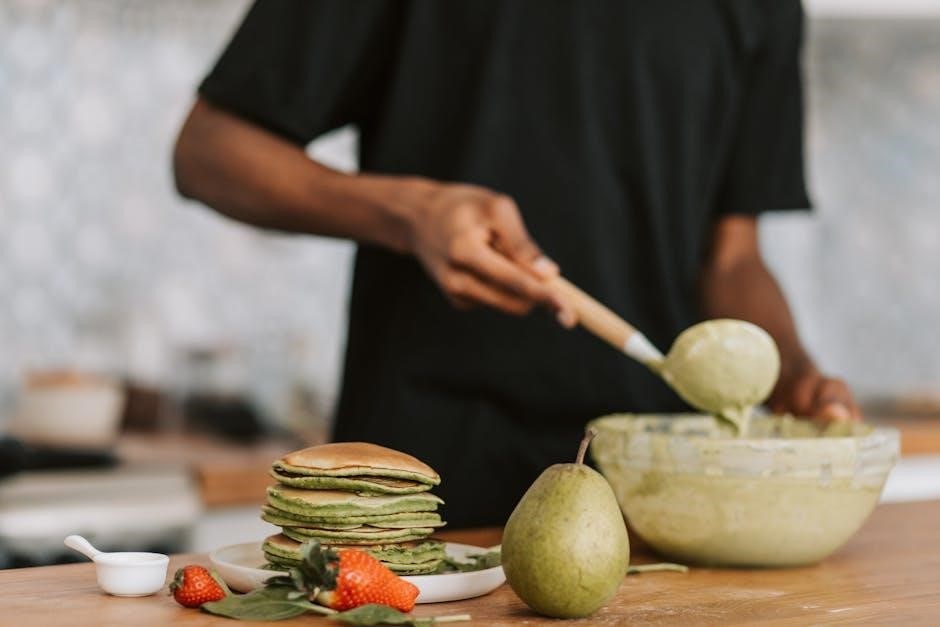
Bubbles are your friend! As pancakes cook, bubbles will form on the surface and begin to pop. When most of the bubbles have popped and the surface appears mostly dry, it’s a good sign it’s time to check for doneness. Gently lift a corner with your spatula; if it releases easily and is golden underneath, it’s likely ready.
A final test: lightly press the center of the pancake. It should spring back slightly, indicating it’s cooked through. Avoid pressing too hard, as this can deflate the pancake. Trust your eyes and touch – with practice, you’ll quickly learn to recognize perfectly cooked Hungry Jack pancakes!
Serving Suggestions: Classic Toppings
Elevate your Hungry Jack pancakes with a delightful array of classic toppings! The quintessential choice, of course, is pure maple syrup – its rich sweetness complements the fluffy texture beautifully. A pat of melting butter adds a luxurious richness, enhancing the overall flavor profile. For a touch of freshness, consider adding a dollop of whipped cream, creating a light and airy contrast.
Fresh fruit is always a welcome addition. Sliced bananas, juicy strawberries, or plump blueberries provide natural sweetness and vibrant color. A sprinkle of powdered sugar offers a delicate sweetness and elegant presentation. Don’t underestimate the simple pleasure of a dusting of cinnamon, adding warmth and spice.
For a more indulgent treat, consider chocolate chips, chopped nuts, or a drizzle of chocolate sauce. Ultimately, the best toppings are those you enjoy most! Experiment and discover your perfect Hungry Jack pancake combination – the possibilities are endless.

Adding Flavor Variations: Chocolate Chips, Blueberries
Transform your Hungry Jack pancakes into something truly special with simple flavor variations! Chocolate chips are a perennial favorite, melting into warm pockets of decadent goodness. Add approximately ½ cup of chocolate chips to the batter just before cooking, gently folding them in to distribute evenly. For a richer experience, try using dark chocolate or a blend of milk and dark.
Blueberries offer a burst of fresh, fruity flavor. Gently fold in about 1 cup of blueberries into the batter, being careful not to crush them. Frozen blueberries can be used, but may slightly tint the batter. Another delightful option is to create a blueberry compote to spoon over the finished pancakes.
Don’t limit yourself! Consider adding other fruits like raspberries or sliced strawberries. A dash of vanilla extract or a sprinkle of cinnamon can also enhance the flavor. Remember to adjust the amount of additions to your preference, ensuring a balanced and delicious pancake experience with Hungry Jack.
Hungry Jack Pancakes with Sausage: A Savory Option
Elevate your breakfast with a delightful combination of sweet and savory – Hungry Jack pancakes paired with sausage! This classic pairing offers a satisfying and hearty meal. Begin by browning approximately 1 pound of your favorite breakfast sausage, ensuring it’s cooked through and slightly crispy. Jimmy Dean is a popular choice, but feel free to experiment with different flavors like maple or spicy.
You can incorporate the sausage directly into the pancake batter. Crumble the cooked sausage and gently fold about 1 cup into the Hungry Jack batter before cooking. This creates pancakes infused with savory sausage flavor in every bite. Alternatively, serve the pancakes alongside the sausage for a more traditional presentation.
A drizzle of maple syrup complements both the pancakes and the sausage beautifully. Consider adding a side of cheddar cheese for an extra layer of flavor. This savory twist on a classic breakfast is sure to please!
Cheddar Cheese Pancakes: A Unique Twist
For a surprisingly delicious and unconventional breakfast, try Hungry Jack cheddar cheese pancakes! This recipe introduces a savory element to the traditional sweet pancake, creating a unique and satisfying flavor profile. Begin with your prepared Hungry Jack pancake batter, ensuring it’s mixed according to package directions.
Grate approximately 1 cup of cheddar cheese – sharp or mild, depending on your preference – and gently fold it into the batter. Be careful not to overmix, as this can result in tough pancakes. The cheese should be evenly distributed throughout the batter for consistent flavor in every bite.
Cook the pancakes on a lightly greased griddle or frying pan, using the same method as you would for regular pancakes. The melted cheddar cheese adds a wonderful richness and slightly salty flavor. Serve immediately with a side of maple syrup or your favorite savory toppings. This unexpected combination is a delightful treat!
Troubleshooting Common Pancake Problems
Even with Hungry Jack’s convenient mix, pancake perfection isn’t always guaranteed. If your pancakes are too flat, the batter might be too thin – add a tablespoon of mix at a time until the desired consistency is reached. Conversely, overly thick batter yields dense pancakes; add water gradually.
Burnt pancakes? Your griddle is likely too hot! Reduce the heat and ensure even cooking. Pale, undercooked pancakes indicate insufficient heat; increase it slightly. Sticking is often due to inadequate greasing – re-grease the griddle between batches.
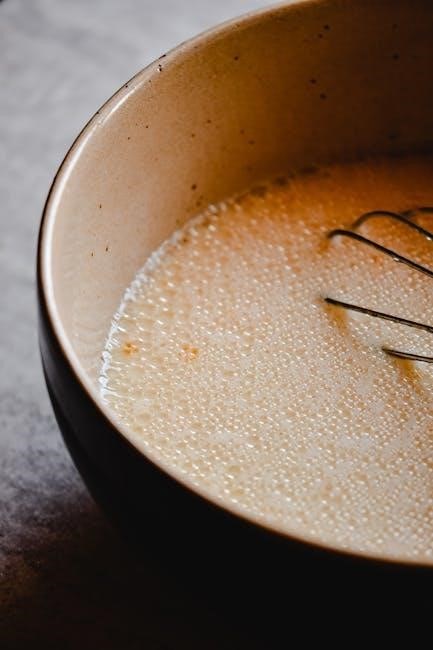
Tough pancakes usually result from overmixing the batter. Mix only until just combined; a few lumps are perfectly acceptable. Remember, resting the batter briefly (as outlined in instructions) can improve texture. Don’t despair if your first pancake isn’t perfect – adjust and experiment! With a little practice, you’ll master Hungry Jack pancakes.
Adjusting for Altitude: Baking Considerations
Baking at higher altitudes presents unique challenges, and Hungry Jack pancake mix is no exception. Reduced air pressure affects leavening, often resulting in pancakes that rise too quickly and then collapse. To counteract this, slightly decrease the amount of baking powder in the mix – reduce by about ¼ teaspoon per teaspoon called for.
Additionally, liquids evaporate faster at higher altitudes, leading to drier pancakes. Increase the liquid (water, in this case) by one to two tablespoons per cup. A slightly longer resting time for the batter can also help hydrate the mix fully.
Conversely, if you’re at a very low altitude, you might find the pancakes are too dense. A tiny increase in liquid could help. Experimentation is key! Start with small adjustments and observe the results. Remember, Hungry Jack provides a convenient base, but altitude adjustments ensure optimal fluffy pancakes, regardless of your location.
Storage of Leftover Pancakes
Leftover Hungry Jack pancakes can be stored for later enjoyment, though their texture will inevitably change. For short-term storage (1-2 days), cool the pancakes completely before placing them in an airtight container in the refrigerator. This prevents them from becoming soggy.
For longer storage (up to 2 months), freezing is the best option. Arrange the cooled pancakes in a single layer on a baking sheet and freeze until solid. Then, transfer them to a freezer-safe bag or container. This prevents sticking and maintains quality.

When reheating, a toaster oven or skillet works best to restore some crispness. Microwaving is convenient but can result in a softer texture. A light spritz of water before reheating can also help. Remember, frozen pancakes won’t be quite as fluffy as freshly made ones, but they still offer a quick and easy breakfast or snack, thanks to the convenience of Hungry Jack mix!
Nutritional Information: A Quick Overview
Understanding the nutritional content of your Hungry Jack pancakes is important for balanced eating. A single pancake, prepared according to package directions, typically contains around 100-150 calories, depending on size and ingredients used. It provides carbohydrates, primarily from the flour and sugar in the mix, offering a quick energy source.
The mix itself contributes to the fat content, though this can be minimized by using minimal oil or butter during cooking. Pancakes also offer a small amount of protein. However, the nutritional value significantly increases with additions like sausage or cheddar cheese, boosting protein and fat intake.
To enhance nutritional value, consider adding fruits like blueberries or bananas, providing vitamins and fiber. Be mindful of toppings like syrup, which adds significant sugar. Always refer to the specific Hungry Jack product packaging for the most accurate and detailed nutritional information, as values can vary between varieties.